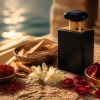

Quick answer: Apply perfume to warm pulse points — wrists, neck, behind the ears, collarbone, and inner elbows — where body heat helps the fragrance bloom and project. Layer lightly on two to three spots rather than spraying everywhere. Avoid rubbing wrists together, and moisturize skin first for longer wear.
There is a quiet art to wearing fragrance well — and it begins long before you choose a bottle. Even the most exquisite perfume can fade by midday if it lands on the wrong spots, or worse, if habits you never questioned are working against you.
Whether you are buying your first signature scent or refining a collection built over years, knowing on which part of our body should we put perfume is one of the simplest ways to elevate your entire fragrance experience. The difference between a scent that whispers and one that lingers beautifully often comes down to placement, concentration, and a handful of techniques perfumers have understood for generations.
This guide covers everything: the science behind pulse points, the best places to apply perfume, the areas to avoid, and the myths that deserve to be left behind. Consider it your practical reference for wearing fragrance the way it was meant to be worn.
Why Perfume Lasts Longer on Certain Parts of the Body
Fragrance does not behave the same way on every inch of skin. Perfume is designed to evaporate — that is how you smell it — but the rate of evaporation changes depending on temperature, moisture, and skin chemistry.
Warm areas of the body accelerate the release of top, heart, and base notes in a controlled arc. Cooler, drier areas may hold scent longer in theory, but they often lack the heat needed for proper projection — the gentle radius around you that allows others to notice your fragrance without being overwhelmed.
Skin also plays a role. Well-hydrated skin holds fragrance molecules more effectively than dry skin, which tends to absorb perfume quickly and mute its development. This is why two people wearing the same scent can experience wildly different longevity — and why application technique matters as much as the juice inside the bottle.
Understanding Pulse Points for Perfume
Pulse points are areas where blood vessels sit close to the skin’s surface. The subtle warmth they generate acts as a natural diffuser, encouraging the fragrance to open gradually rather than dissipate in a single burst.
Think of pulse points as the instrument your perfume plays. Apply scent there, and you give it the conditions it needs to perform — evolving from bright opening notes into the richer heart and warm base over hours.
Common pulse points include:
- Wrists (inner side)
- Neck (sides and front)
- Behind the ears
- Inside the elbows
- Behind the knees
- Chest and collarbone
You do not need to use all of them at once. For most fragrances, two to four strategic placements are ideal. More is not always more — especially with potent concentrations like extrait de parfum.
Best Places to Apply Perfume
Wrists
The inner wrists remain the most familiar perfume application point — and for good reason. They are accessible, warm, and perfectly positioned for you to enjoy the scent as you move through your day.
Apply one or two sprays to the inner wrist, not the top. Avoid rubbing your wrists together after spraying (more on that below). For office or daytime wear, wrists alone can be enough for a refined, close-to-skin effect.
Neck
The neck is where fragrance becomes part of your presence. Applying perfume to the sides of the neck — and optionally the front at the base of the throat — creates a soft halo that others notice when you lean in or pass by.
This is one of the most recommended spots when people ask where should women apply perfume for an elegant, lasting impression. For men, a single spray on each side of the neck delivers confident projection without shouting across a room.
Behind the Ears
The area behind the ears is a classic pulse point that many overlook. It is discreet, warm, and particularly effective for fragrances with floral or amber notes that unfold slowly.
A light dab or spray here works beautifully for date nights and evening wear, when you want your scent to reveal itself gradually at close range.
Collarbone
The collarbone — or décolletage — is an underrated placement that combines warmth with excellent diffusion. Fragrance applied here rises gently with body heat, creating an airy, enveloping effect.
This spot is especially flattering for lighter eau de toilettes and eau de parfums that benefit from a little extra radiance.
Inside Elbows
The crook of your elbows is a hidden pulse point that many fragrance enthusiasts swear by. It is less exposed than the wrists, which can mean slower, more even evaporation throughout the day.
Try this on warmer days when wrist application feels too fleeting — the inner elbows hold heat consistently and can extend the life of citrus or aromatic compositions.
Behind the Knees
Behind the knees is a traditional pulse point, particularly popular in French fragrance culture. Scent applied here rises subtly as you move, making it a lovely choice for summer dresses and open footwear.
Use a light touch. This area can intensify quickly in heat, so one spray is usually sufficient.
Chest
Applying perfume to the chest places fragrance at the center of your body’s warmth. For many wearers, this creates a balanced, all-day presence — especially when layered with a matching body lotion or unscented moisturizer.
Men often gravitate toward the chest as a primary application point. It sits beneath clothing, which can slow evaporation and create a more intimate, long-lasting effect.
Hair (With Precautions)
Hair holds fragrance remarkably well — sometimes longer than skin. A light mist over your brush (never spray directly onto your scalp or strands) can leave a delicate trail as you move.
Important precautions:
- Alcohol in perfume can dry hair — use sparingly
- Never spray directly on color-treated or fragile hair
- A dedicated hair mist is gentler if you love this technique
Hair fragrance works best as a complement to skin application, not a replacement.
Clothing: Pros and Cons
Spraying perfume on clothing is a practical longevity hack — fabric fibers absorb and slowly release scent over many hours.
Pros:
- Extends wear time significantly
- Reduces skin irritation for sensitive wearers
- Creates a consistent scent trail
Cons:
- Can stain delicate or light-colored fabrics
- May not develop fully — you miss the skin’s warmth and chemistry
- Scent can become linear, without the full note progression
Our advice: apply to skin first, then mist the lining of a jacket or a scarf if you want extra staying power. Explore our perfume care guide to protect both your fabrics and your bottles.
Areas Where Perfume Should Not Be Applied
Not every part of the body is a fragrance-friendly zone. Avoid these areas:
- Face and eyes — Alcohol and fragrance compounds can irritate sensitive facial skin and mucous membranes
- Armpits — Deodorant, sweat, and bacteria alter how scent develops (and not in a pleasant way)
- Intimate areas — High sensitivity and pH differences make this uncomfortable and unpredictable
- Broken or irritated skin — Perfume can sting and absorb unevenly
- Jewelry-heavy zones — Certain metals and stones can be damaged by alcohol-based formulas
When in doubt, keep fragrance on the pulse points listed above. Simplicity is a hallmark of sophisticated perfume application.
Common Mistakes That Reduce Fragrance Longevity
Even premium perfumes underperform when worn incorrectly. Watch out for these habits:
- Over-spraying — More sprays do not equal more longevity; they often mean faster fatigue for you and everyone nearby
- Rubbing wrists together — This crushes top notes and creates friction heat that speeds evaporation
- Applying to dry skin — Unmoisturized skin drinks fragrance quickly
- Storing bottles incorrectly — Heat and light degrade perfume before it ever reaches your skin (see our perfume care guide)
- Layering conflicting scents — Competing lotions, body washes, and perfumes muddy the composition
- Spraying from too far away — A fine mist that lands unevenly wastes product and weakens projection
- Ignoring concentration — Treating an extrait like an eau de cologne leads to overwhelm without added endurance
Correcting even one or two of these mistakes can noticeably improve how your fragrance performs.
Tips to Make Perfume Last All Day
If you want long-lasting perfume tips that actually work, start here:
- Moisturize before you spray — Unscented lotion or body oil creates a hydrated base that holds scent longer
- Layer strategically — Use matching shower gel, lotion, and perfume from the same fragrance family when available. For advanced pairings, see our guide on how to layer perfume
- Choose the right concentration — Higher concentrations generally last longer (details below)
- Apply after showering — Clean, slightly damp, warm skin accepts fragrance beautifully
- Target pulse points, not your entire body — Focused application outlasts a cloud of spray
- Carry a travel atomizer — A mid-day refresh on wrists or neck can revive fading notes without reapplying heavily
- Store fragrances properly — Cool, dark, stable environments preserve integrity
These perfume application tips are timeless because they respect how fragrance chemistry actually behaves — not how marketing wishes it would.
Should You Rub Your Wrists Together?
No — and this is one of the most persistent myths in perfumery.
When you rub your wrists after spraying, you generate friction and heat that accelerates the evaporation of delicate top notes — often citrus, herbs, and light florals — before you have a chance to experience them. You also mix the fragrance unevenly across your skin.
Instead, spray and let it settle. If you want to distribute the scent, gently dab your inner wrists together — no vigorous rubbing. Your fragrance will thank you with a fuller, more faithful evolution from first spray to final whisper.
Does Applying Moisturizer Help?
Yes — significantly.
Fragrance clings to emollient, well-hydrated skin far better than to dry skin. An unscented moisturizer or neutral body oil applied a few minutes before your perfume creates a subtle film that slows evaporation and anchors base notes like vanilla, musk, sandalwood, and amber.
For maximum effect:
- Shower and pat skin dry
- Apply unscented lotion while skin is still slightly warm
- Wait one to two minutes
- Spray perfume on moisturized pulse points
This simple ritual is one of the most effective answers to how to make perfume last longer — no reformulation required.
How Different Perfume Concentrations Affect Longevity
Understanding concentration helps you choose where and how much to apply:
| Concentration | Fragrance Oil % (approx.) | Longevity | Application Approach |
|---|---|---|---|
| Eau de Cologne | 2–5% | 2–4 hours | Liberal spray on skin; refresh often |
| Eau de Toilette | 5–15% | 4–6 hours | 2–4 pulse points; great for daytime |
| Eau de Parfum | 15–20% | 6–8+ hours | Moderate spray; versatile daily wear |
| Extrait de Parfum | 20–40% | 8–12+ hours | Minimal application; rich and intimate |
Higher concentrations contain more perfume oils and fewer alcohol-heavy top notes, which often translates to deeper longevity and a closer, more luxurious sillage. Browse an Extrait de Parfum collection when you want maximum staying power with minimal sprays.
New to choosing a concentration? Our perfume buying guide walks you through finding the right format for your lifestyle.
Men’s vs. Women’s Perfume Application Techniques
Fragrance has no gender — but application preferences and cultural norms sometimes differ. Here is a practical comparison:
Where Should Men Apply Perfume?
Men often favor:
- Chest — One to two sprays beneath clothing for steady, masculine projection
- Neck — Sides of the neck for noticeable but controlled sillage
- Wrists — Inner wrists for personal enjoyment throughout the day
- Post-shave caution — Avoid freshly shaved neck skin, which can sting and react unpredictably
A refined men’s approach is restrained: two to four sprays total, placed with intention. Explore a curated men’s perfume collection to find compositions built for lasting performance.
Where Should Women Apply Perfume?
Women often favor:
- Neck and collarbone — Elegant diffusion and natural warmth
- Wrists and behind the ears — Classic, intimate placements
- Hair brush mist — A soft, trailing effect for evening
- Layering — Coordinated body lotion for extended wear
The goal is the same: warmth, hydration, and pulse points. Browse a women’s perfume collection for scents designed to unfold beautifully on skin.
For those who prefer versatility, unisex perfumes offer exceptional flexibility in both application and occasion.
Seasonal Perfume Application Tips
Your body and environment change with the seasons — and your application should, too.
Spring & Summer
- Lighter concentrations (eau de toilette, eau de cologne) feel fresher in heat
- Apply to cooler-adjacent pulse points — inner wrists, behind ears — rather than heavy chest layering
- Reduce spray count; heat amplifies projection
- Consider a hair-brush mist for a breezy trail outdoors
Autumn & Winter
- Richer eau de parfum and extrait formulas thrive in cold air
- Chest and collarbone application adds warmth beneath layers
- Moisturize generously — indoor heating dries skin quickly
- One extra pulse point (inside elbows or behind knees) can extend wear under wool and cashmere
Seasonal adjustment is not about changing your identity — it is about helping your fragrance perform in the conditions you are actually living in.
Frequently Asked Questions
Where should you apply perfume for the best results?
Apply perfume to warm pulse points — inner wrists, sides of the neck, behind the ears, collarbone, and inner elbows. These areas generate gentle heat that helps the fragrance develop and project naturally. Two to four sprays on moisturized skin typically deliver the best balance of longevity and elegance.
How many sprays of perfume should I use?
For eau de toilette, three to five sprays is common. For eau de parfum, two to four. For extrait de parfum, one to two sprays is often enough. Adjust based on concentration, occasion, and climate.
Can I spray perfume on my clothes instead of my skin?
You can, but it is best as a supplement — not a substitute. Clothing extends longevity but may not show the full note progression that skin warmth provides. Always test on an inconspicuous area first to avoid staining.
Why does my perfume fade so quickly?
Common causes include dry skin, low concentration, over-rubbing after application, improper storage, and applying to areas without adequate warmth. Moisturizing before spraying and targeting pulse points usually helps.
Is it better to apply perfume before or after getting dressed?
After getting dressed is generally better — especially for delicate fabrics. Apply to skin first, then mist outer layers lightly if desired. This protects clothing and ensures the scent develops on your skin.
Can I wear perfume in hot weather?
Yes, but use a lighter hand. Heat intensifies projection, so fewer sprays on select pulse points prevent overwhelming sillage. Lighter concentrations work beautifully in summer.
Should perfume be applied to wet or dry skin?
Slightly moisturized, dry-to-touch skin is ideal. Apply lotion first, let it absorb, then spray. Soaking wet skin dilutes fragrance; very dry skin absorbs it too quickly.
Does skin type affect how perfume smells?
Absolutely. pH, diet, hormones, and hydration all influence how a fragrance develops on your skin. This is why sampling before buying — as recommended in our perfume buying guide — is essential.
Can men and women apply perfume the same way?
Yes. The principles of pulse points, hydration, and concentration apply universally. Personal preference and fragrance style matter more than gender.
Is it rude to reapply perfume in public?
A discreet travel atomizer used sparingly is generally acceptable. Avoid heavy reapplication in enclosed spaces like elevators or small offices.
The Art of Wearing Fragrance Well
Knowing where to apply perfume is not a minor detail — it is the foundation of how your scent lives on you. Pulse points, hydrated skin, the right concentration, and a light, intentional hand transform even a familiar bottle into something that feels newly discovered each time you wear it.
The best fragrance is not the one that fills a room. It is the one that unfolds gracefully — bright at first meeting, warmer in conversation, and memorable long after you have left.
Related reading: Ready to go further? Learn how to layer perfume for a signature scent that lasts all day.
Discover Fragrance Crafted to Last
At Venus Maris, every composition is created with the wearer in mind — from the quality of raw materials to the concentration chosen for depth, character, and endurance. Our fragrances are designed to bloom on skin, evolve through the hours, and leave an impression that feels intentional rather than accidental.
If this guide has inspired you to wear perfume with greater confidence, we invite you to explore the Venus Maris collection — where craftsmanship, premium ingredients, and long-lasting performance come together in every bottle.
Find your signature. Wear it beautifully.